Plant Leaf Curling Issues
Sierra Langston
Cultivadora y Especialista en Semillas
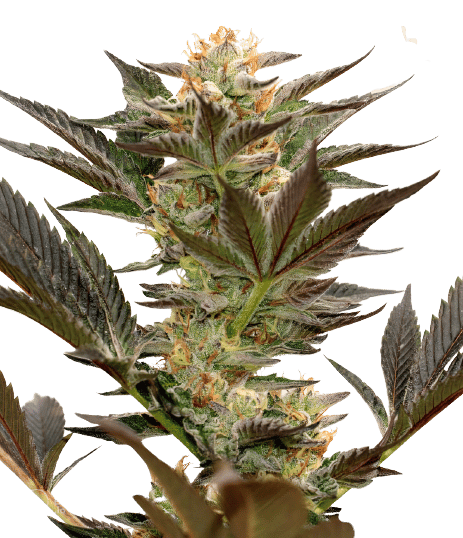
Los problemas que surgen alrededor de leaf curling issues tienden a ser mal diagnosticados porque sus síntomas comparten similitud superficial con otros problemas. Acertar el diagnóstico específico importa porque la corrección aquí es diferente de lo que arregla problemas adyacentes — y aplicar la solución equivocada empeora las cosas.
Por Qué el Riego Excesivo No Es Cuestión de Volumen — Es Cuestión de Frecuencia
The single most common misconception in cannabis growing: overwatering means giving too much water at once. It does not. Overwatering means watering again before the root zone has dried sufficiently. Cannabis roots need a wet-dry cycle — they absorb water and dissolved nutrients during the wet phase and access oxygen through air pockets during the dry phase. Eliminating the dry phase suffocates roots by filling air pockets with water.
Suffocated roots cannot uptake water or nutrients, regardless of how much is available. The plant droops — which looks like underwatering. The grower waters again, making the problem worse. This cycle is the most common cause of slow, stunted growth in cannabis, especially among new growers who equate attentiveness with frequent watering.
El Método de Riego Correcto
Water thoroughly when the medium is dry at 1-2 inch depth (finger test) or when the container feels noticeably lighter than after the last watering. Apply water slowly and evenly until 10-20% runs out the bottom — this ensures the entire root zone is saturated and flushes minor salt accumulation. Then do not water again until the medium meets the dryness criteria. In soil, this cycle typically takes 2-4 days depending on pot size, temperature, humidity, and plant size. In coco, it is usually daily or every other day because coco dries faster.
Container weight is the most reliable watering indicator. Lift your pot after a full watering — that is 100% saturated weight. Lift it when you know it is time to water — that is your dry-enough weight. After a few cycles, you can judge watering need by picking up the pot without any other test.
Leaf Curl: Diagnosing by Direction and Pattern
Curling upward (taco-ing, leaf edges folding up): Heat stress or light stress. The leaf reduces its surface area exposed to intense light or heat. Fix: raise the light 2-4 inches, increase airflow between the canopy and the light, or reduce ambient temperature. La temperatura y la humedad interactúan a través del DPV — déficit de presión de vapor — que regula la tasa de transpiración. Nuestra guía de DPV y humedad explica la fórmula y la aplicación práctica para diferentes configuraciones de cultivo.
Curling downward (clawing, tips pointing at the ground): Nitrogen toxicity or chronic overwatering. Dark green, waxy leaves with downward-curved tips is the textbook nitrogen excess pattern. Fix: reduce nitrogen in the feed or flush with pH-adjusted water if severe. For overwatering-related clawing, extend the dry period between waterings.
Curling inward with dry, crispy edges: Low humidity or wind burn. The leaf is losing moisture through transpiration faster than the roots can replace it. Fix: increase ambient humidity, reduce direct fan speed on foliage, or move oscillating fans to create indirect airflow rather than direct wind on leaves.
Twisting or corkscrew curling on new growth: Usually calcium deficiency or pH-related lockout. This is a root-zone issue, not an environmental one. Fix: check pH first, then evaluate calcium availability in your feed.
Cómo Afecta el Tamaño de la Maceta al Riego
Small pots dry out faster, requiring more frequent watering but also providing faster wet-dry cycles that roots prefer. Large pots hold moisture longer, which benefits established plants but creates overwatering risk for small plants that have not yet colonized the full volume. A seedling in a 5-gallon pot sits in constantly moist medium around its small root ball — exactly the conditions that promote root problems.
The practical solution: start in small containers and up-pot as the plant grows. Or, for semillas autoflorecientes that go directly into final containers, water in a small circle around the base and gradually expand the watering radius as roots colonize outward.
Preguntas Frecuentes
- How do I know if I am overwatering or underwatering?
- Both cause drooping, but overwatering droops with heavy, dark leaves — the foliage feels thick and the soil is wet. Underwatering droops with light, thin, papery leaves — the foliage feels dry and the soil is clearly desiccated. Lift the pot: heavy = overwatered, light = underwatered.
- Should I water until I see runoff every time?
- In coco: yes, always. This prevents salt accumulation. In soil: yes for most waterings, but occasional lighter waterings without runoff are acceptable. In fabric pots, some growers alternate between full-runoff waterings and lighter applications.
- Is bottom-watering better than top-watering for cannabis?
- Bottom-watering can work but does not flush salts from the root zone, which leads to accumulation over time. Top-watering with runoff is the standard recommendation because it both hydrates roots and removes excess salts.
Artículos Relacionados
Cómo Regar Plantas de Cannabis: Guía Completa | Royal King Seeds
support-wateringRiego del Cannabis: Cómo y Cuándo Hacerlo Bien | Royal King Seeds
support-wateringExceso de Riego vs Falta de Riego en Cannabis | Royal King Seeds
support-wateringPlant Growth Regulators in Cannabis and Agriculture
¿Listo para Empezar a Cultivar?
Explora más de 1.600 semillas de cannabis premium con envío discreto a toda España y nuestra garantía de germinación del 95%.
Comprar Semillas de Cannabis