How to Efficiently Cultivate an Indoor Clone
Sierra Langston
Cultivadora y Especialista en Semillas
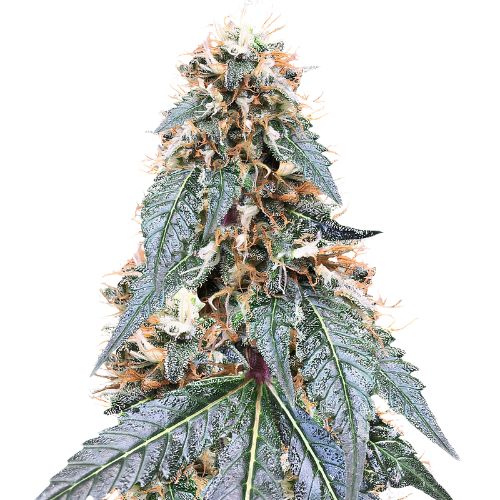
Los problemas que surgen alrededor de how to efficiently cultivate an indoor clone tienden a ser mal diagnosticados porque sus síntomas comparten similitud superficial con otros problemas. Acertar el diagnóstico específico importa porque la corrección aquí es diferente de lo que arregla problemas adyacentes — y aplicar la solución equivocada empeora las cosas.
Cuándo Tiene Sentido Clonar — Y Cuándo las Semillas Son la Mejor Opción
Cloning preserves the exact genetic expression of a specific plant — the same terpene profile, growth habit, potency, and phenotype, replicated identically. If you have found a phenotype you love during a seed run, cloning lets you keep it indefinitely. The tradeoff: clones carry the mother's biological age (they do not "reset" like seeds), do not develop taproots (which limits outdoor vigor), and require maintaining a mother plant or access to a reliable clone source.
Starting from semillas feminizadas gives you genetic diversity (every seed is a slightly different phenotype), taproot development, fresh vigor, and no dependency on maintaining a mother. Most home growers benefit from starting with seeds to explore a strain's phenotype range, identifying their favorite, and then cloning that specific plant for subsequent runs.
Taking Cuttings: Technique That Determines Success Rate
Select a branch tip 4-6 inches long from the lower-middle section of a healthy, non-stressed mother in vegetative state. Cut at a 45-degree angle just below a node using a clean, sharp razor blade — not scissors, which crush the stem and reduce uptake. Remove lower leaves immediately, leaving 2-3 sets of upper leaves. Trim the remaining leaf tips by 50% to reduce transpiration demand while the cutting has no roots.
Dip the cut end in rooting hormone — gel formulations maintain contact better than powder. Insert into pre-moistened rooting medium (rockwool cubes, peat plugs, or rapid rooters). Place inside a humidity dome at 75-80°F with 80-90% RH. Roots appear in 7-14 days. Light should be gentle — a T5 fluorescent or low-intensity LED. Too much light drives photosynthesis that the rootless cutting cannot support.
Por Qué Fallan los Clones: Las Cinco Causas Más Comunes
Cutting from stressed mother material: A mother plant in nutrient deficit, heat stress, or mid-flower produces cuttings with low energy reserves that struggle to root.
Air exposure before medium placement: An air bubble in the stem blocks water uptake. Cut underwater or immediately place the cut end in rooting gel/water.
Low humidity: Without roots, the cutting relies on foliar moisture absorption and reduced transpiration. Below 70% RH, it dries out faster than it can hydrate.
Contamination: Reused trays, dirty razor blades, or old rooting medium introduce pathogens that attack the vulnerable cut site.
Impatience: Checking cuttings daily, pulling them out to inspect roots, and handling them introduces stress and contamination. Set and forget for 7 days minimum.
Managing Clones After Rooting
Once roots are visible (white tips emerging from the medium), gradually reduce humidity over 3-5 days by opening dome vents. Transplant into small containers with your chosen medium. Begin feeding at 25-30% strength. Light intensity can increase to seedling levels (300 PPFD). Treat rooted clones like seedlings in terms of feeding and environmental sensitivity until they show active new growth — typically 5-7 days after transplant.
Preguntas Frecuentes
- How old should a mother plant be before taking clones?
- At least 2 months from seed with 6+ nodes of growth. Young mothers produce weak cuttings with low energy reserves.
- Can I clone from a flowering plant?
- Yes (called "monster cropping"), but success rates are lower and the clone takes 2-3 weeks longer to revert to vegetative growth. Rooting from a veg-stage mother is far more reliable.
- How many clones can one mother support?
- A healthy mother with 10+ branches can provide 6-10 cuttings every 2-3 weeks without significant stress, as long as she is well-fed and has time to regrow between cuts.
Artículos Relacionados
¿Listo para Empezar a Cultivar?
Explora más de 1.600 semillas de cannabis premium con envío discreto a toda España y nuestra garantía de germinación del 95%.
Comprar Semillas de Cannabis