Medical Cannabis: High vs. Low Altitudes.
Sierra Langston
Cultivadora y Especialista en Semillas
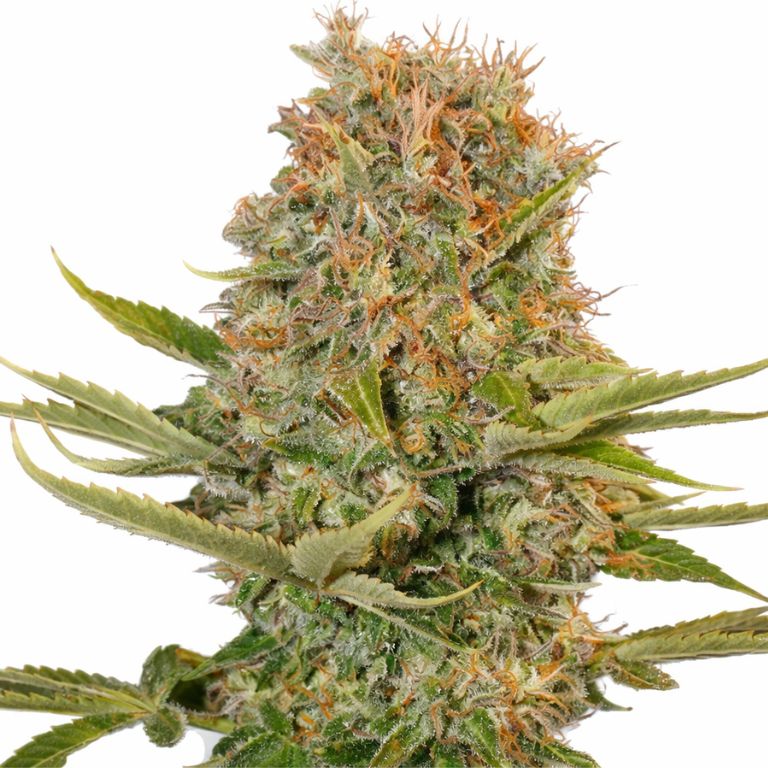
Growing cannabis above 5,000 feet introduces three variables that fundamentally change cultivation: UV intensity increases roughly 10% per 3,000 feet of elevation gain, nighttime temperatures drop sharply (25-35°F below daytime highs), and the growing season is compressed by earlier fall frost. These are not minor tweaks — they reshape which genetics succeed, how you feed and water, and what the final flower looks like compared to the same strain grown at sea level.
UV Intensity: The Double-Edged Advantage
Higher UV intensity at altitude drives increased trichome production. Cannabis produces trichomes partly as UV protection — a biological sunscreen that happens to contain the cannabinoids and terpenes growers value. Por eso parte del cannabis de exterior más resinoso y rico en terpenos proviene de cultivos de montaña en los Pirineos, Sierra Nevada y las zonas de altitud del interior de España.
The flip side: that same UV intensity can cause leaf stress if the plant is not adapted. Bleaching on upper leaves, curling, and stress-induced purpling on exposed surfaces are UV stress symptoms that get confused with nutrient problems. The distinction: UV stress affects only the most light-exposed tissue and does not follow the systematic patterns of nutrient deficiency (which progresses up or down the canopy based on nutrient mobility).
Genetics matter here. Strains with heritage from high-altitude regions (Hindu Kush genetics, certain Colombian and Andean landraces) handle UV better than equatorial lowland genetics that evolved under filtered tropical light.
Nighttime Temperature Drops: What Actually Happens
At altitude, nighttime lows commonly drop 25-35°F below daytime highs. Cannabis tolerates cool nights down to about 50°F without major growth impact, and actually benefits from moderate DIF (day/night temperature differential): cool nights slow transpiration, improve terpene retention (volatile terpenes evaporate faster in warm air), and can trigger anthocyanin production in genetically predisposed cultivars — which is why genéticas púrpura grown at altitude develop more intense coloration than the same genetics grown in warm lowland conditions.
Below 45°F, metabolic processes slow significantly — root uptake drops, growth stalls, and flowering extends beyond the expected timeframe. Below 35°F, cellular damage begins. Frost (32°F) kills exposed flower tissue — ice crystals form inside cells and rupture cell walls, destroying bud structure and releasing chlorophyll that turns the flower brown and harsh.
Season Length: The Constraining Factor
La mayoría de ubicaciones de alta altitud en España — pueblos del Pirineo, Sierra Nevada por encima de 1.800 m, zonas de montaña del interior — ofrecen ventanas de cultivo exterior de finales de mayo a mediados de septiembre, aproximadamente 16 semanas. Resta 4 semanas para el establecimiento de plántulas, y te quedan unas 12 semanas para vegetativo y floración. Esto elimina cualquier cultivar con un período de floración superior a 8-9 semanas a menos que empieces las plantas en interior y trasplantes tras la última helada.
semillas autoflorecientes are the safest choice for altitude: they flower on their own schedule regardless of day length and finish in 10-12 weeks from seed. semillas de floración rápida offer the next best option — finishing 1-2 weeks ahead of standard photoperiod strains. For growers committed to photoperiod genetics, triggering 12/12 indoors before transplanting outdoors (a technique called "12/12 from start") can reduce the calendar time the plant needs outdoors.
Altitude-Specific Growing Adjustments
Feeding: Higher UV drives faster growth during peak season, which increases nutrient demand beyond what sea-level feeding schedules account for. Calcium demand in particular rises with light intensity. Monitor plant response and be prepared to feed slightly more aggressively than guides written for lower-altitude grows suggest.
Watering: Lower atmospheric pressure at altitude reduces boiling point and increases evaporation rate. Soil and containers dry faster than at sea level. Mulching and more frequent watering cycles compensate.
Wind: Mountain environments are often windier than lowland areas. Wind desiccates foliage, stresses stems, and can physically damage flower structures in late bloom. Windbreaks and sheltered site selection make a meaningful difference.
Altitude-Specific Mistakes
Planting too early: Mountain spring comes later than valley spring. A warm week in April followed by a hard frost in May kills transplants that went out too early. Wait until consistent nighttime lows stay above 45°F.
Choosing long-flowering sativas: An 11-week sativa started outdoors in June needs to flower through mid-October at altitude — well past first frost in most mountain locations. Unless you have season-extension infrastructure (greenhouse, hoop house), stick to 8-9 week strains maximum.
Ignoring the UV advantage: Some altitude growers shade their plants like lowland growers do, negating the trichome-boosting UV benefit that makes mountain grows special. Unless heat is the issue, let your plants absorb that altitude light.
Preguntas Frecuentes
- Do plants grow faster or slower at altitude?
- During peak daylight hours, higher UV can drive faster photosynthesis. But the shorter season and cool nights mean the total growth period is compressed. Net effect: individual growth days may be productive, but you have fewer of them.
- Will my plants turn purple at altitude?
- Only if the genetics carry anthocyanin potential. Cool nights trigger the color expression, but the genes must be present. Not every strain purples at altitude — but those that do often develop more vivid coloration than the same genetics grown in warm conditions.
- Can I grow indoors at altitude year-round?
- Yes, and indoor growing at altitude benefits from naturally low humidity (less mold risk) and cool ambient temperatures (less cooling cost). The main consideration is that some indoor growers at altitude report faster soil drying due to lower atmospheric pressure.
Artículos Relacionados
¿Listo para Empezar a Cultivar?
Explora más de 1.600 semillas de cannabis premium con envío discreto a toda España y nuestra garantía de germinación del 95%.
Comprar Semillas de Cannabis